Blog

  • Er Miki Casino underlagt strenge regler?

    Når det kommer til online gambling, er det avgjørende å forstå hvor strengt regulerte plattformer som miki casino real money er. Miki Casino skiller seg ut i bransjen med et bredt utvalg spill, men hvordan står det til med sikkerhet og pålitelighet for spillere?

    Sikkerhet og lisensiering

    Miki Casino opererer under strenge lisensieringskrav, som hever standardene for sikkerhet og ansvarlighet. Nettstedet er regulert av anerkjente myndigheter som garanterer at spillene er rettferdige, og at spillerne er beskyttet. Følgende aspekter er særlig viktige:

    • Lisensiert av myndigheter i Malta eller Storbritannia.
    • Sikkerhetstiltak som SSL-kryptering for å beskytte personlig informasjon.
    • Regelmessige revisjoner fra tredjepartsorganisasjoner for å sikre rettferdig spill.

    Ansvarlig spill

    Ansvarlighet er et viktig tema i spillverdenen, og Miki Casino tar dette på alvor. Plattformen tilbyr flere verktøy for å hjelpe spillere å spille ansvarlig. Dette inkluderer:

    • Mulighet for selvekskludering.
    • Sette grenser for innskudd og tap.
    • Tilgang til ressurser for spillavhengighet.

    Bredt spillutvalg og kvalitet

    Spillkatalogen hos Miki Casino er imponerende, med et variert utvalg av spill fra ledende programvareleverandører. Spillere kan nyte alt fra klassiske spilleautomater til live casino-opplevelser. Her er noen høydepunkter:

    SpillkategoriAntall spillLeverandører
    Spilleautomater300+NetEnt, Microgaming
    Live Casino20+Evolutions Gaming

    FAQ – Vanlige spørsmål

    1. Er Miki Casino sikkert å bruke?
    Ja, Miki Casino er lisensiert og tar sikkerhet på alvor ved å bruke avanserte krypteringsteknologier.

    2. Hvilke spill tilbyr Miki Casino?
    Casinoet tilbyr en bred kategori av spill, inkludert spilleautomater, bordspill og live dealer-spill.

    3. Kan jeg spille ansvarlig på Miki Casino?
    Ja, Miki Casino tilbyr verktøy for ansvarlig spill, inkludert innskuddsgrenser og selvekskludering.

  • Vantaggi e rischi dei bonus senza deposito nei Bitcoin casino per giocatori esperti

    Nel panorama degli gambling online, i Bitcoin casino rappresentano una frontiera avanzata grazie alla loro efficienza, anonimato e tecnologia blockchain. Tra le offerte più allettanti, i bonus senza deposito emergono come strumenti strategici particolarmente interessanti per i giocatori esperti. Tuttavia, come ogni strategia finanziaria, comportano vantaggi e rischi che meritano un’analisi approfondita. Questo articolo esplora in dettaglio come i bonus senza deposito influenzano la strategia di gioco, evidenzia i benefici pratici in ambienti Bitcoin, analizza i rischi di frode e truffe, e fornisce consigli sulle implicazioni fiscali e normative.

    Come i bonus senza deposito influenzano la strategia di scommessa dei giocatori esperti

    Vantaggi di sfruttare bonus senza deposito per ottimizzare le vincite

    I bonus senza deposito permettono ai giocatori di testare nuove strategie e giochi senza rischiare capitale proprio. Per esempio, un giocatore esperto può sfruttare queste offerte per entrare in ambienti di scommessa ad alta volatilità, come le roulette o i giochi di carte, verificando l’efficacia di determinate tattiche senza investimenti iniziali. Inoltre, hanno un valore diretto nell’aumentare le possibilità di vincita, poiché si può sfruttare il bonus per piazzare più scommesse rispetto al capitale reale.

    Ad esempio, un esperto che comprende le probabilità di un determinato gioco può usare un bonus senza deposito per applicare strategie di scommessa progressive, aumentando le vincite potenziali senza rischiare denaro proprio.

    VantaggiEsempi pratici
    Test di nuove strategieProvare metodi di scommessa in giochi di slot con bonus gratuito
    Aumentare le vinciteSfruttare bonus per scommettere su eventi ad alta quota con rischio calcolato
    Ridurre il rischio di perditaUtilizzare crediti bonus come “scudo” contro perdite di capitale reale

    Rischi di dipendenza da bonus e false aspettative di profitto

    La tentazione di dipendenza dai bonus può condurre a false speranze di profitto costante, specialmente se il giocatore si affida eccessivamente all’incentivo di “gioco gratuito”. Questo può determinare comportamenti compulsivi o il tentativo di sfruttare al massimo ogni offerta, portando a perdite significative. Un esempio concreto è quando giocatori esperti, certi della loro capacità di vincita con bonus, trascurano le reali probabilità di breakeven o perdita, rischiando di sviluppare abitudini di gioco problematiche.

    “Il vero vantaggio sta nel saper riconoscere quando un bonus diventa una trappola: la gestione emotiva e razionale è fondamentale per evitare dipendenza e perdite impreviste.”

    Strategie pratiche per massimizzare i benefici senza incorrere in trappole

    Per sfruttare al massimo i bonus senza deposito senza cadere nelle insidie, i giocatori esperti devono adottare alcune strategie chiave:

    • Verificare sempre i termini e le condizioni dei bonus, in particolare i requisiti di scommessa e le restrizioni sui giochi.
    • Utilizzare i bonus esclusivamente per testare nuovi giochi o strategie, evitando di investire tutto il capitale in un’unica occasione.
    • Impostare limiti di vincita e perdita, considerando il rischio inerente, e rispettare rigorosamente i limiti prefissati.
    • Mantenere un atteggiamento critico e razionale, evitando di credere che i bonus siano una fonte sicura di profitto a lungo termine.

    Ricordate: i bonus senza deposito sono strumenti efficaci, ma vanno usati con disciplina e consapevolezza.

    Vantaggi pratici di utilizzo dei bonus senza deposito in ambienti Bitcoin

    Risparmio sui costi di ingresso e possibilità di testare nuovi giochi

    In ambiente Bitcoin, i bonus senza deposito eliminano la necessità di depositare capitali in fiat, riducendo così i costi di accesso e facilitando il trial di piattaforme emergenti o giochi innovativi. Grazie alla velocità delle transazioni in criptovaluta, i giocatori possono spostare fondi facilmente tra piattaforme e ottimizzare il proprio portafoglio di gioco.

    • Minori barriere di ingresso rispetto ai casinò tradizionali.
    • Possibilità di esplorare vari giochi senza investimenti iniziali significativi.

    Vantaggi dell’anonimato e della rapidità nelle transazioni in criptovaluta

    Le transazioni in Bitcoin garantiscono elevato livello di privacy, un vantaggio importante per chi desidera mantenere riservate le proprie attività di gioco. Inoltre, le transazioni sono spesso immediate, consentendo di compiere aggiustamenti tempestivi alle strategie di scommessa. Per esempio, un giocatore può approfittare di un bonus in criptovaluta e ricevere le vincite in pochi minuti, senza i ritardi tipici dei sistemi bancari tradizionali.

    Impatto sulla gestione del bankroll e sui limiti di perdita

    Con i bonus in Bitcoin, la gestione del bankroll diventa più flessibile. I giocatori possono impostare limiti di perdita più stringenti o più permissivi, a seconda delle proprie strategie. In ambienti altamente volatili come quelli delle criptovalute, questa flessibilità è fondamentale per controllare i rischi e mantenere una strategia sostenibile.

    Analisi approfondita dei rischi di frode e truffe legati ai bonus

    Identificazione di piattaforme affidabili vs. siti fraudolenti

    In un mercato in rapida crescita come quello dei Bitcoin casino, non tutte le piattaforme sono affidabili. I giocatori esperti devono saper riconoscere le caratteristiche di siti regolamentati e trasparenti, come la presenza di licenze ottenute da organismi riconosciuti (ad esempio, MGA o Curacao), recensioni positive e protocolli di sicurezza robusti. D’altra parte, molti siti fraudolenti si nascondono dietro promesse allettanti di bonus senza deposito, con condizioni poco chiare e assenza di sicurezza.

    Un esempio pratico è verificare sempre la reputazione tramite forum specializzati e analizzare le condizioni di uso prima di accettare un bonus.

    Come prevenire perdite dovute a condizioni di bonus poco chiare

    Per evitare di perdere il bonus a causa di condizioni ambigue, è fondamentale leggere attentamente tutte le clausole di utilizzo, comprese le restrizioni sui giochi e i requisiti di scommessa. I giocatori possono usare checklist pratiche come:

    • Verificare la data di scadenza del bonus.
    • Controllare le restrizioni sui giochi disponibili.
    • Comprendere i requisiti di scommessa (ad esempio, 30x il bonus).

    Ad esempio, un errore comune è credere che il bonus possa essere usato su qualsiasi gioco, mentre spesso le condizioni limitano l’uso a determinate slots o tavoli.

    Conseguenze legali e di sicurezza nell’uso di bonus non regolamentati

    L’uso di bonus provenienti da piattaforme non regolamentate può comportare rischi legali, inclusi la sottrazione di fondi o problemi con le autorità. In alcune giurisdizioni, il gioco d’azzardo non regolamentato in crypto può essere considerato illegale, e l’utilizzo di tali piattaforme può compromettere la sicurezza dei dati e delle transazioni.

    Risultano quindi essenziali la scelta di casinò con licenza e trasparenza, e il rispetto di tutte le normative locali per evitare sanzioni o complicazioni legali.

    Implicazioni fiscali e normative sui bonus in Bitcoin

    Come le leggi italiane e internazionali influenzano l’uso dei bonus senza deposito

    In Italia, il gioco d’azzardo online è regolamentato dall’Agenzia delle Dogane e dei Monopoli (ADM), che permette l’accesso a piattaforme autorizzate. Tuttavia, l’uso di Bitcoin e criptovalute non è ancora completamente regolamentato nel settore del gioco, creando un quadro normativo complesso. Secondo le ultime norme, le vincite da giochi online sono soggette a tassazione, e l’uso di criptovalute può complicare la documentazione delle transazioni. Per approfondire le normative e le piattaforme disponibili, puoi visitare http://bigbet-casino.it/.

    Rischi di sanzioni o penalizzazioni legate alla fiscalità delle vincite

    Se le vincite derivanti da bonus vengono dichiarate, il rischio di sanzioni è minimo. Tuttavia, omissioni o mancate dichiarazioni possono portare a sanzioni fiscali. In alcuni casi, le autorità potrebbero considerare le criptovalute come reddito imponibile, e non dichiararle correttamente può comportare multe o problemi legali.

    Consigli pratici per rispettare le normative e tutelare i propri diritti

    • Documentare correttamente tutte le transazioni in criptovaluta, conservando screenshot e ricevute.
    • Consultare un esperto fiscale per capire come dichiarare le vincite in bitcoin e criptovalute.
    • Utilizzare piattaforme regolamentate per assicurarsi che le vincite siano legalmente riconosciute e tassabili correttamente.

    In conclusione, sebbene i bonus senza deposito in Bitcoin possano offrire strumenti efficaci per aumentare le vincite e testare strategie, è fondamentale conoscere e rispettare la normativa vigente per evitare sanzioni o complicazioni di carattere legale.

  • Errori comuni nel leggere i risultati keno e come evitarli per aumentare le vincite

    Il gioco del keno è uno degli intrattenimenti più popolari nei casinò e online, grazie alla sua semplicità e al suo fascino di predire numeri vincenti. Tuttavia, molti giocatori commettono errori di interpretazione che compromettono le possibilità di vincita. Comprendere e correggere questi errori può fare la differenza tra una sessione di gioco frustrante e una strategia vincente. In questo articolo esploreremo come leggere correttamente i risultati del keno, quali sono gli errori più comuni e come evitarli, fornendo strumenti pratici per migliorare le tue probabilità di successo.

    Come interpretare correttamente i numeri estratti nel keno

    Per aumentare le probabilità di vincita al keno, è fondamentale saper leggere correttamente i risultati di ogni estrazione. Questo include un’analisi attenta delle statistiche di estrazione e dei pattern ricorrenti, nonché l’utilizzo di strumenti visivi per una comprensione immediata dei dati.

    Analisi delle statistiche di estrazione e pattern frequenti

    Numerosi studi e analisi di grandi dataset di estrazioni di keno mostrano che alcuni numeri si ripetono più frequentemente di altri nel lungo termine, noti come “numeri caldi”. Al contrario, i “numeri freddi” sono quelli che sono stati estratti meno di frequente. Per esempio, un’analisi di 10.000 estrazioni può rivelare che alcuni numeri appaiono il 45% in più rispetto alla media attesa.

    Utilizzando tabelle di frequenza, i giocatori possono individuare quali numeri seguono determinati pattern e pianificare le proprie puntate di conseguenza. Tuttavia, è importante ricordare che il keno si basa principalmente sulla fortuna e nessun pattern garantisce un risultato certo; perciò, queste analisi devono essere utilizzate come supporto, non come certezza.

    NumeroFrequenza (su 10.000 estrazioni)Percentuale rispetto alla media
    54500+45%
    124200+35%
    233800-5%
    343900-2,5%

    Analizzando i dati con strumenti come i grafici di frequenza, si può visualizzare facilmente quali numeri sono più “caldi” o “freddi” e adattare di conseguenza la propria strategia.

    Strategie di lettura per evitare confusioni tra numeri vicini

    Uno degli errori più frequenti è l’associazione confusa di numeri vicini o consecutivi, che possono sembrare collegati o parte di un pattern anche quando sono semplicemente casuali. Per esempio, un giocatore potrebbe pensare che numeri come 14 e 15, estratti di recente, siano correlati, portandolo a puntare su entrambe pensandole “calde”.

    Per evitare questa confusione, è utile distinguere tra correlazione statistica e casualità, e usare sistemi di notazione chiara che differenti tra numeri vicini e altri, come diagrammi o schede di analisi, per mantenere una visione obiettiva.

    “Ricordate: i numeri vicini non sono più probabili di altri in un singolo evento di estrazione, anche se appaiono frequentemente.”

    Utilizzo di strumenti visivi per una comprensione immediata dei risultati

    Per facilitare la lettura e l’interpretazione, l’uso di strumenti visivi come grafici a barre, diagrammi a dispersione o dashboard digitali permette di individuare rapidamente i pattern di estrazione. Ad esempio, un grafico che mostra le frequenze di ogni numero nel tempo aiuta a capire quali sono i numeri caldi o freddi senza dover analizzare manualmente le liste di estrazioni.

    Applicazioni specifiche di analisi del keno spesso integrano questi strumenti, consentendo ai giocatori di impostare alert quando un numero “caldo” si presenta con frequenza superiore alla media, o di evitare di puntare troppo su numeri “freddi” che, sebbene meno estratti, potrebbero ricomparire improvvisamente.

    Principali fraintendimenti che portano a decisioni sbagliate

    Comprendere i fraintendimenti più comuni aiuta a evitare scelte di gioco poco strategiche e a migliorare le proprie possibilità di vincita. Tra questi, spiccano la confusione tra numeri caldi e freddi, e l’errore di sovrastimare le sequenze vincenti.

    Confusione tra numeri caldi e freddi

    Sono molti i giocatori che credono che i numeri “caldi” abbiano maggiore probabilità di essere estratti presto, mentre quelli “freddi” siano meno probabili. In realtà, ogni estrazione è indipendente e la probabilità che un numero venga estratto è la stessa, indipendentemente dalla sua storia passata. Tuttavia, questa convinzione può portare a puntare esclusivamente sui numeri caldi, trascurando altri fattori.

    La chiave sta nel riconoscere che i pattern di lungo termine non influenzano le singole estrazioni, ma l’analisi delle frequenze può aiutare a gestire meglio le puntate.

    Errore di sovrastima delle sequenze vincenti

    Un altro equivoco è credere che le sequenze vincenti siano più frequenti di quanto siano realmente. Ad esempio, un giocatore potrebbe pensare che una serie di risultati vincenti consecutivi presagisca una prossima perdita o vincita, creando aspettative non realistiche. Per approfondire come interpretare i pattern di gioco, può essere utile consultare risorse su betwarts casino.

    In realtà, le sequenze di successo o fallimento sono dovute al caso, e il rischio di sovrastimare queste sequenze porta a decisioni impulsive, come puntare più grande o cambiare strategia troppo frequentemente.

    Perché l’interpretazione errata delle probabilità riduce le vincite

    Comprendere correttamente le probabilità di estrazione di ogni numero e delle combinazioni di puntata è essenziale. Una percezione distorta potrebbe portare a credere che alcune scelte abbiano più successo di quanto realmente abbiano.

    Ad esempio, puntare ripetutamente su numeri “sfortunati” o su combinazioni che offrono quote sfavorevoli, ignorando le probabilità reali, riduce le possibilità di vincita e aumenta il rischio di perdite.

    Consigli pratici per migliorare la lettura dei risultati e ottimizzare le puntate

    Per migliorare le strategie di gioco, è fondamentale sviluppare un metodo di analisi personale e sfruttare strumenti digitali affidabili. Ecco alcune idee fondamentali:

    Come sviluppare un metodo di analisi personale

    • Studia le statistiche delle estrazioni precedenti per individuare numeri frequentemente estratti
    • Non affidarti solo ai pattern: considera anche la gestione delle scommesse e il capitale a disposizione
    • Crea e tieni aggiornato un diario delle estrazioni per monitorare le tue scelte e i risultati

    Ad esempio, alcuni giocatori utilizzano sistemi di punteggio per valutare la “calore” dei numeri e modulare le proprie puntate di conseguenza.

    Utilizzo di app e software per interpretare i risultati in modo accurato

    Oggigiorno, numerose applicazioni e software specializzati permettono di analizzare grandi dataset di estrazioni, creare statistiche e visualizzare pattern. Questi strumenti aiutano a evitare interpretazioni soggettive e offrono una vista obiettiva sui numeri più caldi e freddi.

    Consigliate sono app come Keno Tracker, che include funzionalità di analisi delle frequenze e alert personalizzati.

    Gestione del rischio: evitare di lasciarsi condizionare da risultati recenti

    Un errore comune è quello di cambiare strategia troppo rapidamente sulla base degli ultimi risultati. Questo comportamento si chiama “applicazione del bias recency” e può portare a decisioni impulsive che penalizzano l’approccio a lungo termine.

    Il modo migliore per gestire il rischio è impostare limiti di puntata, mantenere un metodo costante e confessare che il keno resta un gioco di fortuna. L’obiettivo è ridurre l’impatto delle emozioni e delle variazioni casuali sui nostri comportamenti di gioco.

    In conclusione, evitare gli errori più comuni nella lettura dei risultati del keno è possibile con un approccio analitico, strumenti visivi e disciplina mentale. Ricordate: l’esperienza e la conoscenza strategica sono alleati fondamentali per aumentare le vostre vincite in modo consapevole e sostenibile.

  • Estrategias para gestionar tu bankroll en apuestas combinadas y mantener la rentabilidad a largo plazo

    Las apuestas combinadas, también conocidas como parlays o acumuladores, ofrecen la posibilidad de obtener mayores ganancias con una sola apuesta. Sin embargo, su naturaleza aumenta el riesgo, por lo que una gestión adecuada del bankroll se vuelve fundamental para asegurar la rentabilidad sostenida. En este artículo, exploraremos estrategias respaldadas por análisis y datos que te permitirán administrar eficientemente tus fondos y maximizar tus beneficios a largo plazo.

    Tabla de contenido

    Cómo establecer límites claros de inversión en apuestas múltiples

    Definir un presupuesto específico para cada sesión de apuestas

    La primera y más importante estrategia es definir con precisión cuánto dinero estás dispuesto a arriesgar en cada sesión. Por ejemplo, si tu bankroll es de 1,000 euros, una buena regla es no apostar más del 2% a 5% por sesión, lo que equivale a 20-50 euros. Este enfoque limita las pérdidas potenciales y evita que una sola sesión afecte de forma significativa tu capital total, permitiendo una gestión más controlada y sostenible.

    Determinar el tamaño de la apuesta en relación con el bankroll total

    El tamaño de cada apuesta debe ajustarse proporcionalmente a tu bankroll. Una fórmula común en gestión de riesgos recomienda usar un porcentaje fijo, como el 1-3%, por apuesta. Esto ayuda a mantener la consistencia y protege tus fondos en casos de rachas perdedoras. Por ejemplo, si tu bankroll es de 2,000 euros, una apuesta de 20 a 60 euros es adecuada, dependiendo de tu aversión al riesgo y del valor esperado de las selecciones.

    Utilizar límites automáticos para evitar gastos excesivos

    Muchos plataformas de apuestas ofrecen herramientas para establecer límites automáticos diarios, semanales o por sesión. Aprovechar estas funciones ayuda a evitar decisiones impulsivas y sobrepasar los límites presupuestarios, manteniendo la disciplina financiera. Según estudios, los apostadores que usan límites automáticos tienen un 30% menos de probabilidad de incurrir en pérdidas significativas a largo plazo.

    Aplicar técnicas de gestión del riesgo para apuestas combinadas

    Diversificar las apuestas para reducir la exposición a una sola opción

    La diversificación es clave para disminuir el impacto de una sola apuesta fallida. En lugar de concentrar todo el capital en una sola combinada, distribuye las inversiones en varias apuestas con distintas deportes, ligas o mercados. Por ejemplo, si apuestas en fútbol y baloncesto, reduces la probabilidad de que una sola tendencia negativa arruine todas tus inversiones. La diversificación de riesgos aumenta la estabilidad y la probabilidad de ganancias sostenidas.

    Emplear apuestas parciales o “partial staking” para controlar pérdidas

    El “partial staking” consiste en apostar solo una fracción del monto total disponible para una apuesta específica. Si identificas una apuesta con valor esperado positivo, puedes jugar solo una parte —por ejemplo, el 50%— y reservar el resto para futuras oportunidades. Esta técnica permite limitar las pérdidas en apuestas individuales y ajustar dinámicamente tus inversiones según el rendimiento y las circunstancias.

    Implementar estrategias de coberturas para asegurar ganancias o minimizar pérdidas

    Las coberturas, o “hedging”, implican realizar apuestas contrarias para asegurar beneficios o reducir pérdidas en apuestas combinadas. Por ejemplo, si una de las selecciones en tu parlay está en proceso y obtienes una cuota favorable en otra apuesta que contrarresta el riesgo, puedes asegurar una ganancia garantizada, independientemente del resultado final. Varias plataformas permiten realizar coberturas en diferentes etapas, ayudando a gestionar el riesgo en tiempo real.

    Elegir las combinaciones y cuotas que maximizan la rentabilidad

    Priorizar selecciones con valor esperado positivo

    El valor esperado (VE) mide cuánto puedes ganar en promedio por cada euro apostado, considerando probabilidades y cuotas. Una apuesta con VE positivo indica que, a largo plazo, es favorable. Para identificarla, analiza las cuotas ofrecidas y comparalas con tus estimaciones de probabilidades subjetivas. Por ejemplo, si una cuota de 2.0 implica una probabilidad implícita del 50%, pero tú estimas que la probabilidad real es del 60%, esa apuesta tiene un VE positivo y vale la pena incluirla en tu estrategia.

    Analizar estadísticas y tendencias para seleccionar apuestas más seguras

    El análisis estadístico ayuda a encontrar apuestas con menor volatilidad y mayor probabilidad de éxito. Revisa tendencias en datos históricos, lesiones, rendimiento reciente, condiciones del partido y otros factores relevantes. Por ejemplo, si un equipo tiene un 80% de victorias en sus últimos 10 enfrentamientos contra un adversario, apostar a su victoria en una combinada puede ser más seguro que opciones de menor confianza.

    Aprovechar promociones y bonos para reducir el riesgo

    Muchas casas de apuestas ofrecen bonos de bienvenida, promociones por depósito o apuestas gratuitas que puedes utilizar para incrementar tu bankroll sin arriesgar capital propio. Por ejemplo, un bono del 100% sobre tu primer depósito puede duplicar tu capital inicial, permitiéndote realizar apuestas combinadas con mayor margen de error. Es importante leer los términos y condiciones para comprobar que las promociones sean realmente beneficiosas y aprovechen al máximo tu inversión.

    Utilizar herramientas tecnológicas para monitorear y ajustar el bankroll

    Software de seguimiento que registre resultados y rendimientos

    El uso de plataformas especializadas, como BetMonitor o Trademate, permite registrar todas tus apuestas, calcular el rendimiento real, y analizar el valor de tus selecciones a lo largo del tiempo. Estos datos ofrecen una visión clara de tu progreso y ayudan a ajustar tus estrategias en función de resultados concretos. La evidencia empírica muestra que los apostadores que usan estos sistemas mejoran su rentabilidad en un 25-40% a largo plazo.

    Alertas automáticas para ajustar apuestas según el saldo y rendimiento

    Configura alertas que te notifiquen cuando tu bankroll alcance ciertos niveles, o cuando tus rendimientos sean inferiores a lo esperado. Estas herramientas son cruciales para mantener la disciplina y evitar decisiones impulsivas. Por ejemplo, si tu saldo cae a la mitad del valor inicial, una alerta puede sugerirte reducir tus apuestas temporariamente hasta recuperar la estabilidad. Además, en plataformas confiables, puedes encontrar opciones para gestionar tus fondos de manera más eficiente, como en https://afkspin-casino.es/.

    Aplicaciones que faciliten la gestión en tiempo real y decisiones informadas

    Aplicaciones móviles de gestión de apuestas, como BetMines o RebelBetting, permiten ajustar tus cantidades en vivo, seguir tus apuestas abiertas y recibir recomendaciones basadas en análisis en tiempo real. Esto es especialmente útil en apuestas combinadas, donde las circunstancias pueden cambiar rápidamente y afectar tus decisiones. Una gestión eficiente en tiempo real puede marcar la diferencia entre pérdidas excesivas y rentabilidad sostenida.

    Implementar estrategias de crecimiento progresivo del bankroll

    Reinversión controlada de ganancias para potenciar el capital

    La reinversión de las ganancias, siempre bajo una gestión prudente, permite incrementar progresivamente tu bankroll. Es recomendable seguir reglas como apostar solo el 50% de las ganancias en nuevas apuestas o, por ejemplo, mantener un porcentaje fijo para reinvertir, conservando así la estabilidad del fondo original y evitando la propensión a sobreapostar tras beneficios.

    Establecer metas de rentabilidad a corto y largo plazo

    Define objetivos claros, como alcanzar un 10% de rentabilidad mensual o duplicar tu capital en un año. Estas metas te brindan dirección y motivación, además de facilitar la medición de tu desempeño. Revisar y ajustar tus metas periódicamente en función de resultados y condiciones de mercado ayuda a mantener un rumbo estratégico.

    Evitar aumentar apuestas tras pérdidas para mantener la estabilidad

    “La estrategia de aumentar las apuestas tras pérdidas, conocida como La Martingala, puede llevar rápidamente a la ruina.”

    Este comportamiento deriva de la ilusión de recuperar pérdidas rápidamente, pero en realidad, aumenta exponencialmente el riesgo de quiebra. La mejor práctica consiste en mantener las apuestas dentro de límites definidos, sin aumentar el stake tras una racha negativa, para preservar el equilibrio y la longevidad de tu capital.

  • Errori comuni dei principianti nel blackjack free e come prevenirli facilmente

    Principali trappole mentali che influenzano le decisioni dei principianti

    Come l’overconfidence compromette le scelte di gioco

    Un errore comune tra i principianti è l’overconfidence, ovvero la convinzione di avere sempre ragione o di conoscere meglio le strategie rispetto alla realtà. Questa trappola deriva spesso da un successo iniziale o da una percezione errata delle proprie capacità. Studi cognitivi dimostrano che l’eccesso di fiducia può portare a decisioni impulsive e rischiose, come puntare troppo forte o ignorare le probabilità reali. Ad esempio, un principiante convinto di sapere quando “battere” la mano può rischiare somme elevate, ignorando le statistiche di probabilità che indicano il contrario.

    Per prevenire questa trappola, è fondamentale riconoscere i propri limiti e basare le decisioni su dati concreti e strategie collaudate, come il conteggio delle probabilità.

    La paura di perdere e il suo impatto sulle puntate

    La paura di perdere può spingere i giocatori a ridurre le puntate o, al contrario, a scommettere impulsivamente per recuperare le perdite. Entrambe le strategie sono dannose: ridurre le puntate diminuisce le possibilità di capitalizzare sui buoni turni, mentre puntare impulsivamente aumenta le probabilità di perdere di più in breve tempo. La paura, spesso alimentata dal desiderio di evitare il fallimento, può anche portare a decisioni meno razionali, come non usare strategie di gestione del rischio.

    Un modo efficace per combattere questa emozione è impostare limiti di perdita e di vincita prima di giocare, mantenendo il controllo e evitando reazioni emotive alle perdite temporanee.

    Effetto del bias di conferma nelle strategie di blackjack

    Il bias di conferma si verifica quando i giocatori tendono a favorire informazioni che confermano le proprie convinzioni e ignorano quelle che le contraddicono. Per esempio, un principiante potrebbe credere di aver trovato una “strategia vincente” basata su poche mani fortunate, ignorando le statistiche più ampie. Questo fenomeno può portare a insostenibili certezze e strategie obsolete.

    Per evitarlo, è consigliabile documentarsi con fonti affidabili e analizzare le proprie decisioni alla luce dei dati reali, aggiornando le strategie di conseguenza.

    Errore di gestione delle puntate e come evitarlo

    Perché il betting impulsivo porta a perdite frequenti

    Il betting impulsivo, ossia puntare senza un piano definito, è uno dei principali nemici dei principianti. Questo comportamento nasce spesso dall’emozione del momento, come vedere un turno favorevole o perdere una mano importante. Tuttavia, senza una strategia, le puntate impulsive provocano perdite rapide e consistenti.

    Strategie pratiche per stabilire limiti di puntata efficaci

    Per evitare questa trappola, si consiglia di impostare limiti di puntata prima di iniziare a giocare, basati sul proprio bankroll e sugli obiettivi di vincita o perdita. Ad esempio, decidere di puntare al massimo il 5% del proprio budget per singola sessione e rispettarlo rigorosamente. Per approfondire le strategie di gioco responsabile e trovare piattaforme affidabili, puoi visita amon bet.

    Utilizzare il bankroll management per mantenere il controllo

    Il bankroll management consiste nel pianificare le puntate in modo che, anche in caso di segni di sfortuna, il giocatore possa continuare a giocare senza rischiare di andare in perdita totale. Tecniche come il metodo “flat betting” — puntare sempre una somma fissa — aiutano a mantenere il controllo e ad evitare il rischio di perdite catastrophic.

    Interpretare erroneamente le carte e le probabilità

    Perché i principianti sopravvalutano la probabilità di certe mani

    Un errore frequente è la sopravvalutazione di alcune mani, come credere che una carta alta o una determinata combinazione abbia maggiori probabilità di verificarsi di quanto realmente abbia. Ad esempio, un principiante potrebbe pensare che, dopo aver visto molte carte basse, è probabile ricevere un 10 o un asso, ma in realtà la distribuzione delle carte non cambia drasticamente in breve tempo.

    Come usare le tabelle di probabilità per decisioni più informate

    Utilizzare tabelle di probabilità e statistiche delle mani può migliorare notevolmente la qualità delle decisioni. Ad esempio, conoscere che la probabilità di ottenere un 21 con due carte è circa il 4,8% aiuta a capire quanto sia importante decidere quando chiedere un’altra carta o stare.

    Riconoscere i segnali di una mano favorevole o sfavorevole

    Comprendere le probabilità permette ai principianti di riconoscere se un totale di carte è favorevole (ad esempio, 12 contro un 4) o sfavorevole. Questa consapevolezza aiuta a decidere meglio se chiedere, stare o doppiare.

    Utilizzare strategie sbagliate o obsolete senza adattarsi

    Perché seguire sistemi di scommessa fissi può essere dannoso

    Molti principianti si affidano a sistemi di scommessa rigidi, come la Martingale, senza adattarsi alle situazioni reali. Questi metodi suppongono che le vincite o le perdite seguano schemi prevedibili, ma il blackjack è soggetto a variabili che richiedono flessibilità. Ignorare questa necessità può portare a grosse perdite, specialmente quando si esaurisce il proprio bankroll.

    Vantaggi dell’adattamento dinamico alle carte e alle situazioni

    Una strategia più efficace consiste nell’adattare le proprie decisioni in funzione delle carte visibili, del conteggio e dello stato del gioco. Ad esempio, se il banco mostra una carta bassa, si potrebbe optare per una strategia più aggressiva, mentre con carte alte si deve essere più cauti.

    Consigli pratici per modificare le strategie in tempo reale

    È fondamentale imparare a leggere le situazioni e modificare le proprie decisioni di conseguenza. Ad esempio, aumentare le puntate quando il conteggio indica che ci sono più probabilità di ricevere carte favorevoli, oppure ridurre i rischi nelle fasi di sfortuna.

    Ignorare il conteggio delle carte e i suoi benefici pratici

    Perché il conteggio può aiutare i principianti a migliorare le decisioni

    Il conteggio delle carte, se eseguito correttamente, consente di valutare se il mazzo è ricco di carte alte (10, J, Q, K, A) o basse, aiutando a decidere quando aumentare o diminuire le puntate. Anche i principianti, con un approccio semplice, possono trarne vantaggio, migliorando la lucidità nelle decisioni.

    Metodi semplici di conteggio adatti ai principianti

    Un esempio è il metodo Hi-Lo, che assegna valori +1 alle carte basse e -1 a le alte, permettendo di mantenere un conteggio mentale semplice. Se il totale è positivo, le probabilità sono a favore del giocatore; se negativo, meglio essere cauti.

    Come integrare il conteggio delle carte senza complicazioni eccessive

    Per i principianti, evitare sistemi complessi è fondamentale. Si può iniziare tenendo traccia mentalmente di alcune carte alte o basse durante il gioco, senza cercare di ottenere un conteggio perfetto. Questa pratica aiuta a prendere decisioni più consapevoli e ad aumentare le probabilità di vincita nel lungo termine.

    “Comprendere e evitare gli errori più comuni permette ai principianti di approcciarsi al blackjack con maggiore sicurezza e probabilità di successo.” – Ricerca nel settore dei giochi d’azzardo

  • Example Post for WordPress

    This is a sample post created to test the basic formatting features of the WordPress CMS.

    Subheading Level 2

    You can use bold text, italic text, and combine both styles.

    1. Step one
    2. Step two
    3. Step three

    This content is only for demonstration purposes. Feel free to edit or delete it.

  • How to Properly Tie Bead Bracelet Without Clasp in an Easy Way?

    How to Properly Tie Bead Bracelet Without Clasp in an Easy Way?

    The first time I attempted to tie a bead bracelet without a clasp remains vivid in my memory. My hands shook with excitement. I couldn’t understand why this basic task generated such deep significance.

    I aimed to create a unique item that was solely intended for my personal enjoyment. I wanted to avoid making errors but at the same time I wanted to prevent it from appearing overly refined. Just raw, handmade beauty.

    This learning experience transformed my perspective on jewelry. It’s not just craft, it’s connection. I understand the struggle to finish a bracelet with a neat appearance because I’ve experienced it myself. I want to demonstrate the straightforward approach which I discovered.

    Why Go Clasp-Free for Your Beaded Bracelets

    I experienced repeated problems with clasps that refused to fit together correctly. They’d twist or break, ruining my vibe. I found joy in creating bead bracelets that don’t need a closure.

    It felt so free, so personal. No metal, just thread and intention. It’s not just about skipping hardware. The bracelet attaches to your skin and moves with every action you make. I’ve found this style trending more lately.

    It’s minimal yet meaningful. For a sleek natural appearance this method delivers. Trust me, it’s not harder, just more thoughtful. And the feeling of creating it yourself? Absolutely worth every knot. 

    Choosing the Right String for Beadwork Projects

    I selected a string because of its beauty which later turned out to be a mistake. Big mistake. It snapped before the day ended. Time taught me that the type of thread we use is more important than most people consider.

    When crafting bead bracelets without metal findings my choice always falls on durable and flexible cord materials. Stretch cords perform extremely well yet waxed threads provide adequate performance as well. They hold knots well and feel smooth. Don’t go for looks only to test your strength too.

    Your ideal accessory combines both comfort and style. Since I started using higher quality threads my bracelets have become more durable. They also feel more authentic. The material you select as your foundation establishes the standard for all subsequent knots.

    Prepping Your Beads and Thread for Best Results

    My regret followed whenever I rushed through this step. I spend more time on preparing beads and checking thread length twice before I begin. I organize all materials visibly before I begin any project. It helps avoid mid-process tangles or mismatches.

    It helps avoid mid-process tangles or mismatches. I slightly burn the ends of threads to simplify the threading process. To complete beaded bracelets without clasps proper preparation remains essential.

    Select beads whose holes correspond to the thickness of your string. Use a file to smooth rough edges whenever necessary. The final bracelet feels cleaner because of that little extra attention. Careful preparation ensures that the finished piece remains both attractive and durable.

    How to Start a Beaded Bracelet with No Clasp

    The beginning of my jewelry-making without clasps left me feeling completely confused. Eventually I discovered a technique that felt natural to me. I start by folding the thread in half and then create a loop before moving beads from both sides.

    This loop makes the bracelet adjustable later. The design receives a clean anchor through this method. The process of making adjustable bead bracelets without clasps enabled me to create gifts for friends with ease. No sizing stress. The design develops naturally and that’s what I admire.

    Beginning with this approach enhanced my ability to produce thoughtful and flexible work. My work process felt more about creating something original than just replicating an established method.


    Easy Knot Techniques for a Strong Bracelet Hold

    For several weeks I battled with knots that consistently came apart. I discovered the miracle of two surgeon’s knots and double knots that solved my problem. I gradually apply pressure to tighten them while maintaining tension along the cord.

    That makes them hold firm without burning. Discovering effective knotting techniques for beaded bracelets revolutionized my crafting experience. Because my bracelets no longer fell apart I wore them with pride.

    My standard practice includes applying a small amount of glue or clear nail polish. Just to lock it in place quietly. You spend only seconds tying the knots yet you gain everlasting peace of mind. Handmade jewelry gains confidence from using strong knots.

    Using Stretch Cord for a Seamless Bracelet Finish

    Stretch cords saved me so many times. The stretch cords offer both flexibility and smoothness while providing a comfortable fit on your wrist. The stretch cords emerged as a magical solution when I began tying bead bracelets without closures.

    I managed to put the bracelet on and take it off without causing any harm. I don’t need to use heavy coatings or additional hardware elements. These cords adapt to wrist shapes and easily return to their original form.

    Avoiding overstretched knots is essential. While tying my bracelet I gently pull the stretch cord to maintain tension. This little trick gives the perfect balance. Stretch cord serves as your ideal tool for crafting when you look for both simplicity and style.

    Securing Your Ends with Invisible Jewelry Knots

    The final knot always ruined the overall appearance of my products. The knot sticking out was noticeable to me and it caused me irritation. I discovered the method to hide bead bracelet knots without drawing attention to them.

    Position them between two beads to make them virtually invisible. I either slightly melt the end or apply a small amount of glue. Nothing too obvious, just clean and smooth. After I learned proper knot tucking techniques my bracelets appeared as though they were crafted by professionals.

    That subtle polish really stands out. I now take pride in every finish. A bracelet that feels great and looks equally impressive provides deep satisfaction.

    Stylish Ways to Hide Bracelet Knots Without Clasps

    I wrapped tape around the ends because I believed it provided a solution. It didn’t. I currently conceal knots inside big beads or use slide covers. As I began searching for methods to finish bead bracelets without the need for clasps my focus shifted entirely to their visual appeal.

    Clean lines matter. For hiding knots I occasionally select charm beads that feature wide holes. On other occasions I finish them by wrapping decorative thread in a boho style. I also love using leather wraps. They cover the end and add flair.

    Creativity transforms practical objects into bold statements. These handmade items gain their unique personal touch and stylish flair from this creative finishing process.

    Common Mistakes When Tying Bead Bracelets

    I’ve made every possible error when working with beads. Too tight, too loose, uneven beads. I once failed to measure the length before tying the knot. It barely fit my wrist. When you make bead bracelets without metal findings you eliminate the option to use hardware for later adjustments.

    Precise measuring and tension control become essential in bracelet making because there’s no way to correct mistakes after the knots are tied. Also, don’t pull knots too quickly. Let the cord adjust naturally.

    I made complex designs because I believed more details led to better outcomes. But really, simplicity and mindfulness win. Learn from each bracelet. Every mistake made me better. Trust your hands. They’ll guide you as your skill grows.

    Troubleshooting Common Mistakes

    Sometimes knots slip. Other times your bracelet stretches out. These problems are fixable. 

    • Slipping knots need either glue application or a double knot solution for stability.
    • Use either glue or flame to seal the ends of a frayed cord.
    • Too tight/loose – Adjust before trimming. 
    • Plan your bead arrangement ahead of time to prevent uneven beads.

    Patience is key. Repetitive practice will lead to achieving a flawless finish.

    Final Touches to Make Your Bracelet Look Pro

    The whole atmosphere shifts with the smallest details. After completing my bracelets I carefully trim away any loose ends. I smooth every bead line gently. When finishing bead bracelets without clasps the polishing process becomes crucial. At times I apply sheen by using a wax cloth to rub beads.

    I always smile whenever I compare my latest pictures with my original photos. I used to rush and regret it. Now I breathe through the last step. The final touch isn’t just about looks. It’s about celebrating what you created. That moment of pride? The feeling of pride remains present each time you wear the piece.

    Frequently Asked Questions

    What knots work best for bead bracelets without clasps?

    It took me several weeks of trial and error to discover that basic knots lacked sufficient strength. The combination of the surgeon’s knot with a double knot led to my breakthrough. I carefully tighten each knot while maintaining cord tension. After tying the knot I apply a small amount of glue or clear polish to keep it in place. These knots changed everything for me. No more slipping. These knots offer strength while remaining easy to tie which provides me peace of mind. I began to wear my bracelets every day without any concerns. I gained satisfaction from realizing my creations could endure everyday situations.

    Best string for making bead bracelets without clasps.

    I once selected a pretty string for a project but it snapped by the end of the day. That moment taught me a big lesson. Whenever I choose my materials now I pick options that provide strength and flexibility. Stretch cord maintains the first position on my preferred materials list due to its smooth texture and dependable knot retention. For rustic designs I have used waxed thread to achieve the desired earthy appearance. Before using any thread or cord one must test its strength. As I shifted to higher quality strings my bracelets maintained their durability while becoming more comfortable to wear.

    Can you make a bead bracelet on elastic without a clasp?

    The experience totally shifted my perspective on creating jewelry. I approached the elastic cord with doubt when I first used it. The moment I tried on my first completed bracelet it fit flawlessly like magic. The bracelet fits perfectly because it simply wraps around my wrist without any clasps. A clean and flexible bracelet requires just a gentle stretch of the cord during knotting. I experience a profound sense of liberation when I can create jewelry without relying on metal components. After sharing the bracelets with my friends they also appreciated their simplicity. It feels handmade and full of intention. 

    What type of thread is best for tying bead bracelets without clasps?

    I always believed any thread would work until my preferred bracelet unexpectedly broke. Since then, I never compromise. High-quality stretch cord or waxed thread becomes my choice for clasp-free bracelet designs. Stretch cord creates a tidy finish while waxed thread provides strong security. The ability of both options to maintain knot integrity stands as the most crucial factor. I never use threads that show weakness or fraying when exposed to tension. By choosing better materials for my bracelets I achieved both professional quality and emotional resonance. The foundation of your bracelet determines its durability and strength.

  • How to Properly Tie Clay Bead Bracelets with Clasp in Style?

    How to Properly Tie Clay Bead Bracelets with Clasp in Style?

    I never expected tying a clay bead bracelet with clasp to become such an enjoyable activity until I tried it for the first time. The procedure becomes a small exploration while each bead contains its unique narrative.

    Tying a knot seems easy but the actual process is more complex. The correct technique serves to both secure your bracelet and provide your style with a distinctive personal flair.

    Anyone who has faced difficulties while trying to tie a clay bead bracelet with a clasp understands that they’re not the only one who struggled. I will guide you through the process today while providing several tips to ensure flawless tying each time.

    Why Tying Clay Bead Bracelet with Clasp Matters

    Making my first clay bead bracelet brought an unexpected personal connection that I had not anticipated. Every bead reflects my mood or memory. The entire experience becomes problematic when the clasp isn’t secured correctly.

    Securing the clasp of a clay bead bracelet properly is essential for its functionality. The appearance of a bracelet needs to be accompanied by the confidence it provides. The bracelet needs to remain securely fastened for the entire day.

    The feeling of losing my bracelet when it slips off is unbearable. A strong clasp will ensure your design remains intact and effective. Knowing your jewelry is securely assembled makes you feel more fashionable.

    Best String for Tying Clay Bead Bracelets

    The choice of string has a significant impact on both the appearance and durability of your bracelet.

    Elastic Cord 

    It’s stretchy and comfy. This wearable option suits daily use but lacks considerable strength.

    Nylon Thread 

    Ideal for tying strong knots for bracelets. It holds tight and doesn’t fray easily. 

    Waxed Cotton Cord 

    This cord provides a natural rustic appearance and functions well to secure clasps. Plus, the wax helps with grip. 

    Fishing Line or Monofilament 

    Invisible but very strong. Delicate clay bead bracelets benefit from the use of fishing line or monofilament because of its strength and invisibility.

    Select stretch cords for a casual design and nylon or waxed cords to achieve an elegant look.

    Choosing the Right Clay Beads and Clasp for Your Bracelet

    The fun starts with choosing your beads. I choose soft pastels or bold colors based on my mood when selecting beads. There are days when lavender beads seem perfect while other days demand the presence of turquoise beads.

    The clasp is equally important when selecting beads for your bracelet. Through experimentation I learned that lobster clasps perform best when used with thicker string. Magnetic clasps give an elegant look but they tend to open unintentionally when they don’t match their strings properly.

    I make sure that color choices and textures complement each other. Your bracelet will stand out when both elements feel cohesive together. I double-check the clasp style before finalizing knots for clay bead bracelets. Even small details have the power to transform the entire atmosphere.

    Step by Step Guide to Tie Clay Bead Bracelet with Clasp

    Before I start, I make sure to lay out everything that I will need. I cut my string longer than necessary because I wanted to be prepared. Once the beads are attached I move the clasp to its position.

    I guide the string through with a firm smooth movement. Then comes the knot. It must be tight but not harsh. Various methods exist for tying bracelets but maintaining consistent technique is crucial.

    Test the strength by applying gentle tension to both ends. Before cutting away any surplus string I give it a slight pull. I feel a sense of accomplishment when I complete making a bracelet that stays intact.

    Tips for Securely Fastening Your Clay Bead Bracelet

    Experiencing bracelets slipping off in public situations has always been unpleasant for me. That’s why I now take fastening seriously. Learning to tie double or triple knots was my initial lesson in securing bracelets.

    You must ensure there is absolutely no slack when tying strong knots for bracelets. To finish off the knot I apply a small amount of clear glue. It keeps things secure without looking messy.

    Ensure the glue fully dries prior to wearing your bracelet. That tiny wait makes a big difference. The way I fasten these bracelets always makes me feel both relaxed and confident whenever I wear them.

    Common Mistakes to Avoid When Trying Clay Bead Bracelets

    I’ve made so many mistakes while learning. My knots came undone leading to beads dropping off and clasps breaking. Initially I selected an incorrect thread size for my project. It frayed fast.

    I secured my knot near the clasp which left no room for adjustments. The lack of checking knot tension became another major mistake for me. Loose knots look bad and don’t last. I have learned to test all components thoroughly before completing any work.

    Good bracelet tying practices help you avoid unnecessary frustration. When you start learning or reviewing basic skills take time to carefully check each bracelet making step. It truly changes your crafting experience. 

    Creative Ways to Style Clay Bead Bracelets with Clasp

    I love stacking different styles together. I choose a pastel mix for one day followed by beachy blue vibes the next. Mixing sizes adds depth. The contrast between a large bead and smaller ones creates a striking visual effect.

    I use letter beads in my stacks to display names or brief messages. Recently I noticed people started to insert charms between the beads in their bracelets. It gives bracelets a fun, custom look. Other wrist accessories paired with your bracelet create an extra touch of style.

    Make sure that each component matches well with its subsequent parts. Choose one color to unify all your bracelet elements. The overall appearance remains stylish without becoming too overwhelming.

    How to Adjust Your Clay Bead Bracelet for Perfect Fit

    Nothing compares to the discomfort of a bracelet that either squeezes too tightly or doesn’t stay in place. I always make mine slightly longer first. Creating this space helps me make the necessary adjustments prior to securing the bracelet.

    After determining the proper fit I will then make it secure. I tighten the knot if it appears too loose during my adjustment process. My wrist became sore because I tied it too tightly before so now I always test for comfort before cutting the string.

    Discovering the most effective string for tying clay bead bracelets had a significant impact. Some stretch slightly, which helps. The perfect fit ensures that the bracelet feels like a natural extension of your person while wearing it.

    Best Tools for Tying Clay Bead Bracelets in Style

    My hands were my sole tools for the job. But tools changed everything. Sharp scissors provide a precise finish for every cut. The bead stopper functions to secure your beadwork layout. My favorite is the knotting tweezer.

    It helps grip tightly while tying. A small clipboard provides excellent support when I hold the bracelet during my work process. I gain improved control while having my hands free. Good lighting makes such a difference too.

    Avoid letting loose knots slip by unnoticed. The simple investment in basic tools has transformed my bracelet crafting into a smoother and cleaner process that is much more enjoyable throughout the entire procedure.

    How to Add Personal Touch to Clay Bead Bracelet Design

    The bracelets I create convey small narratives within their designs. My creative process begins by identifying a mood or moment which I wish to capture in my jewelry design. After that I pick beads which resonate with the intended emotion.

    Sometimes I add initials or birthstones. Creating a distinctive appearance by combining matte and glossy textures is something I enjoy doing. Selecting colors based on natural elements or seasonal palettes enhances theme creation.

    A bracelet takes on a lively quality when you incorporate spring greens or autumn reds. The personal touch emerges from intentional creation. It doesn’t need to be perfect. The bracelet becomes meaningful when it resonates with you. Every bracelet becomes a small fragment of your identity through this process.

    Care Tips for Keeping Your Clay Bead Bracelet in Top Shape

    Having invested time in crafting a bracelet deserves a long-lasting result. So I care for it gently. I remove it before showers or workouts. Moisture weakens the string over time. A soft pouch protects my bracelets from dust and scratches. The use of a damp cloth to clean the bracelet helps keep its color intact.

    I never stretch them too far. Regularly testing the clasp every few weeks is a good practice. I fix any loose parts right away. When your bracelet remains in excellent condition you can continue to proudly display your favorite style over and over.

    Conclusion

    You now possess the knowledge to secure clay bead bracelets with clasps that combine both fashion appeal and reliable fastening. The process of tying clay bead bracelets requires attention to detail from selecting superior string to perfecting tying skills.

    No matter which bracelet number you’re making, pay attention to strong knots and secure clasps while also adding creative touches. Proper methods extend your bracelets’ life and improve their appearance.

    Begin crafting your piece, start tying the elements, and show your unique style with every bead you use.

    Frequently Asked Question

    Can you tie clay bead bracelets without crimp beads?

    Yes, you definitely can. All my bracelets that I have made without crimp beads remain sturdy as long as they are properly tied. The essential step involves creating robust knots and pulling them securely to ensure they hold. I always double-knot and tug firmly. To ensure maximum security I apply a small amount of transparent adhesive. It’s simple, clean, and works beautifully. No fancy hardware needed. 

    How to prevent clay bead bracelet knots from slipping?

    Knots slipping from my previous projects have been an ongoing source of frustration. My technique involved making sturdy knots in layers and pulling on each one to secure them. Before completing the task, I perform a gentle stretch on the string to ensure its strength. The experience taught me that smoother cords tend to slide more easily while rougher textures provide better grip. Taking time at this stage prevents the entire design from disintegrating.


    Should you use glue on the knots when tying clay bead bracelets?

    Yes, and I swear by it now. Because I chose not to use glue initially I lost a cherished bracelet. After securing the knot I apply a tiny amount of clear jewelry glue. The glue disappears from view once it dries while maintaining full grip on all bracelet components. Just let it dry fully before wearing. I feel more secure in my work whenever I follow this single additional step.

    Is elastic cord good for tying clay bead bracelets with a clasp?

    Elastic cord functions properly but my experiences have varied. This material stretches well but tends to have poor compatibility with certain clasp types. Ensure that the elastic cord you choose has adequate thickness to support the weight and practice tight knot techniques. For tying clay bead bracelets with clasps my choice is nylon or waxed cord because they provide better durability. The materials endure daily use while maintaining better durability.

    Can I tie a clay bead bracelet with magnetic clasps?

    Yes, and I’ve done it often. Magnetic clasps deliver a sleek aesthetic while being extremely simple to put on. These clasps require strong knots and proper fit to maintain their attachment to the bracelet. I lost my bracelet one day because I had tied it too loose. For additional security I combine double-knotting with glue application. Magnetic clasps achieve both a fashionable look and an easy-to-use feel when secured properly.
  • Lock It Right: How to Put Clasp on a Clay Bead Bracelet Easily?

    Lock It Right: How to Put Clasp on a Clay Bead Bracelet Easily?

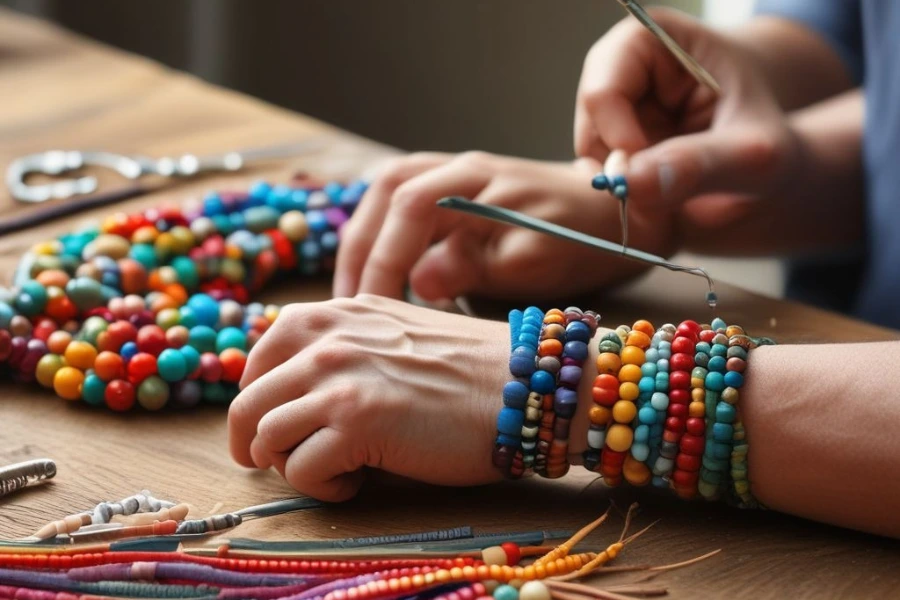
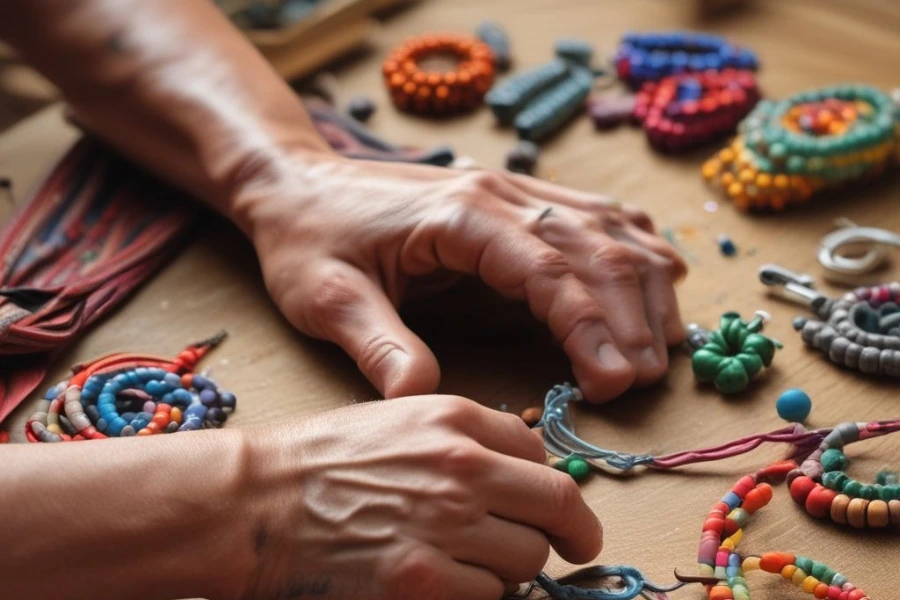
    Putting a clasp on a clay bead bracelet was my first attempt. The task appeared simple yet achieving perfection in its execution provided deep satisfaction. Attaching the clasp served a greater purpose because it was necessary to secure the bracelet for wearing.

    The process of putting a clasp to a clay bead bracelet puzzles many people. Both beginners and experienced crafters must focus on patience together with correct techniques to succeed. We will progress through each step together to simplify this process.

    Choosing the Right Clasp for Your Clay Bead Bracelet

    My bead bracelet projects reached new heights when I discovered the importance of selecting the appropriate clasp. Your chosen clasp must both match your bracelet design and maintain a secure fit to ensure your clay bead bracelets function properly.

    Despite the many available choices I suggest using magnetic or lobster clasps. Magnetic and lobster clasps provide a secure closure while remaining easy to attach. It wouldn’t be ideal if your bracelet detached from your wrist during the day.

    Attaching my first clasp to a clay bead bracelet gave me a feeling of achievement as if I had completed the entire piece. The proper choice of clasp transforms the bracelet making experience.

    Tools You Need to Secure a Clay Bead Bracelet Clasp

    The necessity of proper tools became apparent to me when I started attaching clasps to clay bead bracelets. You should have a good pair of pliers ready for securing crimp beads when making clay bead bracelets.

    Apart from the clasp itself which you’ll add later you’ll also need jump rings for the process. Use bead wire to ensure your hold remains secure. Using appropriate tools helps you complete tasks more efficiently.

    I was amazed at how effortlessly crimp beads could secure the beads during my first experience using them. You will gain confidence in your abilities every time you complete a clay bead bracelet that includes a clasp.

    Step by Step Guide to Attaching a Clasp on Clay Beads

    Although it may look complicated to attach a clasp to your clay bead bracelet I assure you it’s simpler than you might think. Thread your beads onto the string or wire first, making sure to leave space for the clasp.

    When you finish threading the beads, add a crimp bead to secure the end. Crimp beads prevent your clay bead bracelet from coming apart. Connect your selected clasp to the bracelet with jump rings.

    Use your pliers to tightly squeeze the crimp bead then you have successfully completed your clay bead bracelet with clasp. The unmatched satisfaction you feel at this point stems from everything finally coming together.

    Tips for Making Sure the Clasp Stays in Place

    Through my experiences I’ve mastered techniques to keep the clasp secure so it won’t fail. Choose a strong closure system when making clay bead bracelets to keep the clasp from failing. To ensure the clasp stays attached I prefer to use two crimp beads together.

    Applying a small amount of jewelry glue will provide additional security for your clasp especially when using a magnetic clasp. I tested multiple methods before discovering this one as the most dependable solution.

    I have complete confidence that my clasp will remain securely fastened. I have full confidence that my bracelet will remain in place throughout the day whenever I wear it.

    Mistakes to Avoid When Securing the Clasp

    Even seasoned jewelry makers make mistakes. To achieve strong closures for clay bead bracelets you need to remember what practices to avoid.

    • Over-tightening the loop 

    The clasp experiences pressure which restricts its motion. Leave a little space in the loop. 

    • Under-crimping the bead 

    A loose crimp connection between the wire and the loop will allow the clasp to detach over time.

    • Skipping crimp covers 

    While not necessary you can use crimp covers to both conceal sharp crimps and give a professional appearance to your piece.

    • Using the wrong clasp size 

    Big clasps overpower dainty bracelets. Always select a clasp that corresponds in size to your beads.

    While every mistake offers a lesson, mastering their avoidance accelerates your path to success.

    How to Choose the Best Clasp for Your Style and Beads

    The process of choosing a clasp should consider both its functionality and aesthetic appeal. The clasp should match the overall design of your clay bead bracelet. Magnetic clasps appeal to me because they look sleek and operate smoothly but lobster clasps provide more secure fastening. 

    Your choice should reflect both the weight of your beads and your individual style preferences. Certain clasps perform better with bulky beads whereas other clasps work best with subtle designs.

    At the beginning of my bracelet-making journey I didn’t understand how much a clasp could alter the bracelet’s appearance. I always make sure to think thoroughly before I select.

    Clay Bead Bracelet Clasp Alternatives for Easy Attachment

    The variety of clasps available today shows that traditional lobster and magnetic clasps are not the only options. For those seeking a boho or rustic aesthetic my experience shows that toggle clasps work excellently.

    They’re also easy to attach and detach. Using a knot can effectively secure your bracelet when you work with thick thread. This technique functions well as a clasp substitute while providing a laid-back appearance.

    Throughout the years I experimented with multiple alternatives which resulted in giving each finished piece its own distinct atmosphere. The joy of working with jewelry often lies in trying out various methods.

    Troubleshooting When Clasping Your Clay Bead Bracelet

    The worst feeling is when you complete your bracelet and find that the clasp fails to function correctly. Keep your spirits up if you find attaching clasps to clay bead bracelets challenging. Ensure your crimp beads are tight enough so they do not become loose.

    When your bracelet clasp does not fit properly because it is too tight or too loose you need to consider replacing it with a new style. I’ve rewired several clasps myself because getting it correct proves worthwhile.

    The feeling of pride washes over me whenever I achieve perfection. The bracelet making process includes steps like attaching clasps to clay bead bracelets.

    Enhancing Your Bracelet Design with Clasp Additions

    My early days of crafting taught me little about how clasps can significantly improve jewelry designs. A clasp serves more than a functional purpose because it acts as a key decorative element.

    Attaching decorative clasps to multiple bracelets consistently improves their appearance. The addition of an elegant clasp turns a basic clay bead bracelet into a remarkable piece of jewelry.

    Using the right clasp transforms the act of putting your bracelet on and taking it off into a luxurious experience. I have learned through experience that the clasp holds equal significance to the beads in a bracelet. Selecting the appropriate clasp gives each design an extra touch of refinement.

    Why a Strong Clasp is Essential for Your Clay Bead Bracelet?

    The strength of your clay bead bracelet’s clasp is essential for its overall functionality. Early on, I failed to recognize the importance of a good clasp which led to constant anxiety about my bracelet slipping off. The correct clasp I discovered keeps all components secure and safe after several tests.

    A dependable clasp like a lobster clasp or a sturdy toggle protects your effort from being lost. Now, I never skip this step. A strong clasp allows me to wear my bracelets with confidence because I don’t need to worry about them breaking off. It’s essential for lasting wearability. 

    Final Thoughts: Trust Your Hands

    The strength of your clay bead bracelet’s clasp is essential for its overall functionality. Early on, I failed to recognize the importance of a good clasp which led to constant anxiety about my bracelet slipping off. The correct clasp I discovered keeps all components secure and safe after several tests.

    A dependable clasp like a lobster clasp or a sturdy toggle protects your effort from being lost. Now, I never skip this step. A strong clasp allows me to wear my bracelets with confidence because I don’t need to worry about them breaking off. It’s essential for lasting wearability. 

    Frequently Asked Questions

    Can you use magnetic clasps on clay bead bracelets?

    Absolutely! Magnetic clasps stand as my primary choice for securing clay bead bracelets. Magnetic clasps readily attach to bracelets providing them with fashionable modern aesthetics. The fundamental technique for wearing and removing the bracelet stands out as its greatest attribute. These clasps provide a delicate elegance that makes them suitable for any event. Choose a magnet that has enough power to keep the beads securely fastened together.

    Which clasp type is best for polymer clay bead bracelets?

    When making polymer clay bead bracelets use durable clasps such as the lobster clasp or toggle clasp for best results. These clasps deliver lasting security to maintain your bracelet together. Both clasp types function excellently since they attach with ease and support heavier or larger beads. A magnetic clasp serves as an excellent option for achieving sleek minimalistic designs.

    What string or wire is best for attaching a clasp to clay beads?

    For string and wire applications I choose beading wire which I find best when it has a nylon coating. This material combines strength and flexibility which makes it ideal for attaching clasps to clay beads. The alternative threads I’ve tested don’t hold up well to the beads’ weight. Using beading wire allows you to feel confident your bracelet will remain secure and long-lasting after you attach the clasp.

    Can beginners easily put a clasp on a clay bead bracelet?

    Yes, absolutely! Initially attaching a clasp made me feel intimidated but it quickly became easy to do. The essential approach involves working at a steady pace while using appropriate tools such as pliers and crimp beads. With a few practice attempts attaching a clasp you’ll perform the task effortlessly. Completing your first bracelet that includes a clasp will give you an immense sense of accomplishment!

    Can you use crimp beads with clay bead bracelets?

    Crimp beads are essential to help keep the clasp secure when making clay bead bracelets. Every bracelet I’ve created has included crimp beads. These tiny components deliver the powerful hold necessary to maintain firm positioning. Secure the wire ends by using the crimp bead after you place the beads onto your wire. A straightforward action plays a crucial role in maintaining the durability of your bracelet.

  • Seal the Style: How to Make a Clay Bead Bracelet with Clasp?

    Seal the Style: How to Make a Clay Bead Bracelet with Clasp?

    The memory of attempting to create my first clay bead bracelet with a clasp stays with me. My hands trembled. The starting point was unknown to me yet I desired to create something with a handmade and meaningful essence. Creating jewelry with your personal touch creates a magical experience. It’s not just a craft. It’s personal.

    Upon successfully crafting a clay bead bracelet with a clasp I experienced feelings of pride. Truly proud. This place is perfect for anyone who dreams of creating jewelry that reflects their personality. Let’s seal the style together.

    Choosing the Perfect Clay Beads for Your Style

    I spent many hours in bead shops during my days exploring various textures and colors by touching them. Finding the right clay beads turned into a deeply personal journey for me.My initial search for clay beads started with earthy tones until I switched to lively beads which matched my playful personality.

    The combination of matte and glossy finishes gave my bracelet its depth. Current design trends show a preference among designers for handmade styles which express natural aesthetics.That made me confident in my picks.

    I wanted my final choice to reflect my personality rather than being overly showy. If you’re starting out, trust your instincts. Your personal taste is reflected in the beads you select because they determine your bracelet’s soul.

    Tools and Materials You’ll Need for Bracelet Making

    • Polymer clay beads
    • Beading wire or nylon cord
    • Crimp beads
    • Crimping tool
    • Lobster, toggle, or magnetic clasp
    • Jump rings
    • Wire cutters
    • Flat-nose pliers
    • Bead stopper (optional)

    The combination of these tools enables you to craft a clay bead bracelet that looks stylish and finishes professionally while remaining secure. Trust me, preparation saves frustration.

    I obtained command over my project when I used the correct tools which helped me calmly carry out my idea.

    Designing a Unique Bead Pattern That Feels Personal

    The pattern creation process delivered the greatest joy throughout my project experience. I arranged the beads on a tray before I rearranged them and allowed my emotions to direct the process. I didn’t follow any strict rules.

    I considered colors which brought me happiness. Every section needed to have a narrative quality. At times I enhanced my work with a touch of gold or a miniature charm. It reflected my personality.

    The current trend toward expression in fashion makes the process of designing your own pattern feel even more meaningful. Your bracelet transforms into an essential piece of your life journey. This small wearable art piece becomes a genuine expression of your personal style and feelings.

    How to String Clay Beads Like a Pro

    It appeared stringing beads was simple until I started to attempt it. I struggled frequently because many holes did not fit the beads well. But I kept going. I held the cord firmly and carefully slid each bead along its length.

    It was calming, almost like meditation. I realized that patience is key. Rushing only caused mistakes. A beading needle made it less difficult to complete the task. I also avoided overloading the cord. It needed to be flexible.

    While my hands started moving with rhythm the bracelet started coming together. Watching each bead bring the bracelet to life gave me great satisfaction. This section of the project taught me how to appreciate crafting by slowing down.

    Adding the Right Jewelry Clasp for a Secure Fit

    I needed to prevent my hard work from collapsing. So, I focused on the clasp. Choosing the right one was essential. I conducted extensive research and tried several alternatives. The magnetic clasp attachment greatly improved the ease of wearing my clay bead bracelet.

    The magnetic clasp clicked into place perfectly while giving the bracelet an elegant appearance. It didn’t overpower the beads. The clasp integration into the design appealed to me.

    My outfits looked better when I paired them with this bracelet style. A small component can dramatically change both how a piece operates and its overall style.

    Tips to Attach Clasps Without Breaking the Cord

    • Use the right cord: When selecting a cord opt for nylon-coated beading wire or durable elastic to achieve better longevity.
    • Don’t overtighten: To avoid tension at the clasp, create a small loop.
    • Use crimp beads properly: The correct tool should be used to gently crimp the cord so that it does not get cut.
    • Double-thread ends: Twice loop the cord around the clasp and crimp bead to achieve reinforced strength.
    • Test before trimming: Test the clasp’s hold by pulling gently before trimming any extra cord.
    • Avoid cheap tools: High-quality pliers help avoid accidental cord crushing or slipping during use.

    Knotting Techniques That Keep Everything in Place

    The knotting process felt difficult initially which led me to keep practicing. I watched multiple video tutorials and tested different knotting techniques. I found the surgeon’s knot to be the best method for me. It held tightly without looking bulky. Once I pulled it tight I fortified it with an additional coating of glue. That made it feel extra secure.

    For clay bead bracelets to achieve a professional and long-lasting finish this step is essential. It’s worth spending the extra time. My former rushing approach has shifted to a careful treatment during this step. A well-tied knot gives your bracelet both a finished appearance and a sense of reliability.

    Testing the Bracelet for Comfort and Strength

    I tested my bracelet throughout the house for an hour before declaring it finished. I checked how it felt. It didn’t tug or slip. Gently twisting the bracelet I tested the clasp function. That’s when I felt confident.

    The completion of clay bead bracelets with clasps requires ample time to prevent rushed work. A loose fit may appear acceptable but lacks durability. I constantly check both sharp edges and the tightness of knots in my work.

    I test the durability of my bracelet by splashing water on it. Through my method I ensure my bracelet is prepared for daily use and maintains a comfortable look.

    Styling Your Handmade Beaded Bracelet with Outfits

    After wearing my bracelet to public places I received numerous compliments. It added color to my neutral clothes. I matched my bracelet with denim clothes one day followed by a floral dress the next.

    The handmade jewelry currently offers a fresh and expressive touch to any outfit. I love how versatile it is. Metal bangles become part of my stacking routine with this necklace. Current trends highlight the combination of handmade pieces with classic fashion staples.

    Your bracelet becomes a signature. Making these pieces stands out as my favorite activity. This method allows you to transport your creative spirit to all the places you visit. No other accessory gives me the same sense of style and confidence.

    Gifting and Selling Your Custom Clay Bead Bracelets

    Upon completing several bracelets I began presenting them as gifts to my friends. Their reactions warmed my heart. Then someone asked to buy one. That surprised me. I came to understand that handcrafted items with emotional significance capture people’s appreciation.

    After that I made several more items and posted them online. Selling them felt exciting, but meaningful. I included a small note along with each piece I created. You should definitely pursue turning this activity into a side business.

    There’s a growing love for handcrafted accessories. The unique narrative behind every bracelet along with your handmade process brings special meaning to each piece. Such beauty deserves to be showcased to everyone.

    Bringing It All Together with Heart and Style

    The process of making a bracelet from beginning to end provided benefits that went beyond the final jewelry product. It gave me confidence and peace. Each time I wear the bracelet it triggers memories of the meticulous dedication I invested in every individual bead and knot. 

    I learned patience and creative expression through the process of making a clay bead bracelet with a clasp. When you first start making bracelets remember that mistakes are part of the learning process.

    Every slip adds to your story. The love you put into your work becomes evident regardless of whether you’re making something for yourself or for others. Find your signature look by creating something from your own hands and heart. It’s truly worth it.

    Frequently Asked Question

    What thread is best for making clay bead bracelets with a clasp?

    The stretchy elastic cord provides excellent comfort and functionality based on my personal experience. When working with a clasp opt for strong beading wire or waxed nylon thread. It holds shape well and resists fraying. After using both materials I can clearly see their durability levels differ. Your choice of thread must fit through your bead holes without any resistance. That small detail saves big frustration later. 

    Should I use crimp beads on clay bead bracelets?

    Initially I skipped crimp beads, but they enhance the security of finishes effectively. When clasps are involved they securely maintain thread tension. Just be gentle when pressing them down. I once applied too much pressure to a crimp bead which resulted in the thread becoming damaged. After practicing with crimp beads I started loving them as one of my favorite finishing touches. They make everything look neat and polished. 

    How to prevent clay bead bracelets from breaking at the clasp?

    During my initial experience this occurred which left me feeling heartbroken. The knot holds significant importance in this process. First tie a second knot then apply glue to secure it. I make sure not to pull the clasp too tightly during attachment. Gently tugging on the bracelet before wearing it works well for testing its durability. Following those extra procedures resulted in both peace of mind and improved outcomes for me.

    Should you use crimp beads when finishing a clay bead bracelet?

    Choose this method for achieving a polished and durable finish. When I first used crimp beads the process seemed complicated. After practicing with crimp beads my bracelets began to look quite professional. Achieving an elegant shop-quality appearance becomes easier when you follow this advice. Select the appropriate crimp size that corresponds to your thread. That really makes a difference. 

    Can I use magnetic clasps for clay bead bracelets?

    Yes, and honestly, I love them. Including a magnetic closure on the clay bead bracelet made putting it on and taking it off effortless. No more fumbling with tiny hooks. One hand was enough to snap it into position. Plus, it looked elegant. Choose a magnet that maintains its strength when worn daily. I checked the magnetic clasp before wearing my bracelet and it has performed flawlessly since then.

Gates of Olympus — try the slot demo